
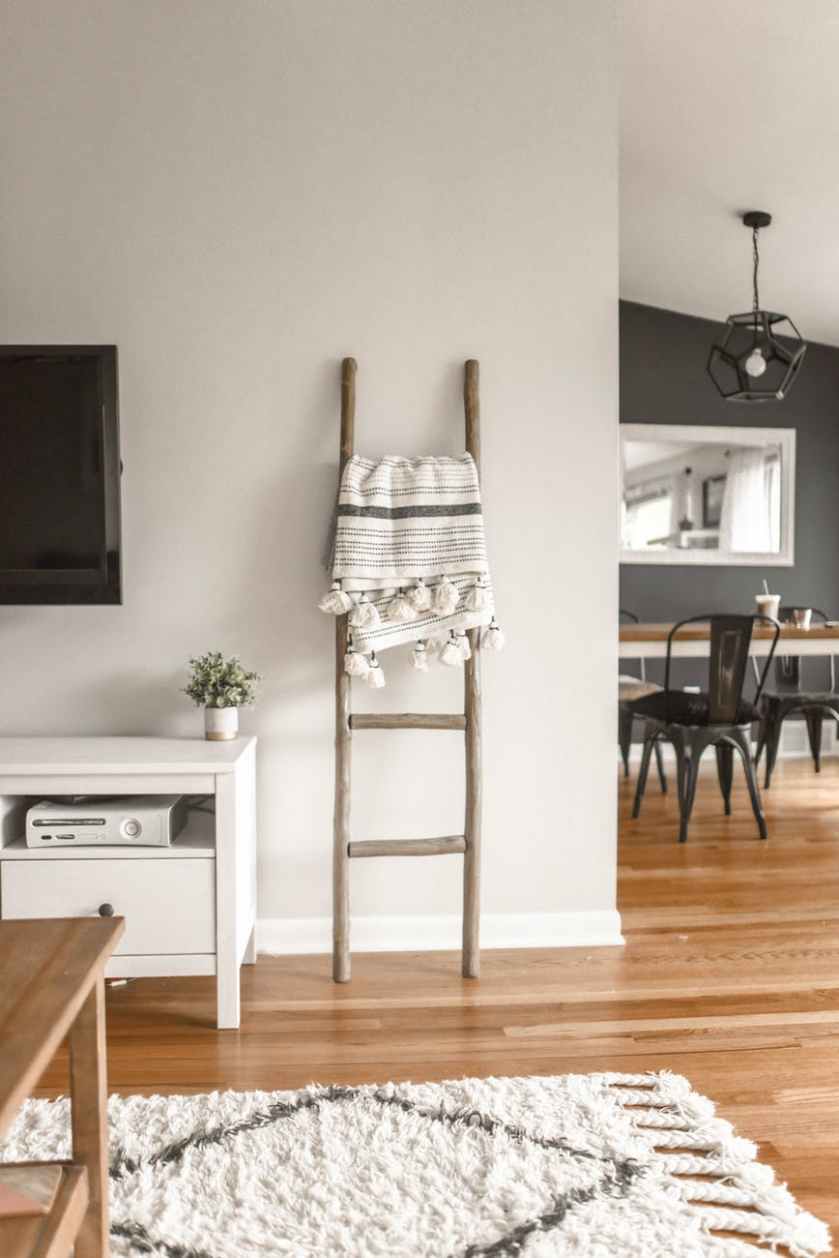
Some of you may be young at heart enough to remember the decades when wood interiors reigned supreme. Think, eighties kitchen where wood floors matched cupboard doors, and all the room was furnished to match, even the skirting boards were exposed wood! The over-all effect was very brown, and very matchy-matchy.
And while that might have been nice then, today I say NO THANKS! Give me mango wood sideboards, ashy sungkai flooring, hand carved cane chair and a pine stool to rest a peace lily on. This year there is a greater interest in biophilia (think stone, wood, and plant life) in the home. And this only works in your favour because these materials can wear any colours, primary and pastels, and are timeless.
Throughout our lives we invest in special pieces because it’s organic and connects mankind to nature. However, it can be difficult when selecting furniture to imagine how it will suit the vibe of your house, not to mention how will it blend with your current stuff: Is it staple or statement? Eclectic or uber modern? Will it tie everything in together? Will it even be used? To the untrained eye, if you don’t have guidelines, you may make some fairly disastrous selections. Once I had to talk a close friend out of a very expensive, gorgeous, millennial pink chaise lounge – and while we all enjoyed the millennial pink trend, and it’s unapologetically feminine hue – already the mood is moving towards a more gendered, mature aesthetic with a nod towards nature and sustainability.
So, the rule of thumb when it comes to selecting wood furniture, is that there is no rule – not anymore. You CAN mix and match wood, just be careful when you do it. Avoid choosing matching sets, which easily remind people of cheap furniture catalogues with no personality, soul or warmth; and room after room of all wooden furniture, which will quickly look uncool and too uniform, with a dorky, private school kind of vibe. Select pieces that work together in a design sense and create continuity. Another important guide is to stick with the same tone. If the dominant wood feature in the room (being the largest, such as the floors, or a large sideboard) are warm, then different wood furnishings should also be of the same tone, or, the same finish (flat, low sheen, eggshell etc).
I’d also encourage you to break it up through the use of rugs, decor and soft furnishings. Personally, when it comes to working with wood finishings, I’m a big fan of the Moroccan and Persian style rugs from West Elm. They seem to have the perfect balance of texture, pattern and tone to really take your space to the next level and make it somewhere that someone would aspire to live.
Carry these general principles through all the way to selecting the frames for your artwork and you’ll be in for one beautiful end result.

Co-authored by Steph Bradley and the uber chic Christie Board
 firstimpressionspropertystyling.com